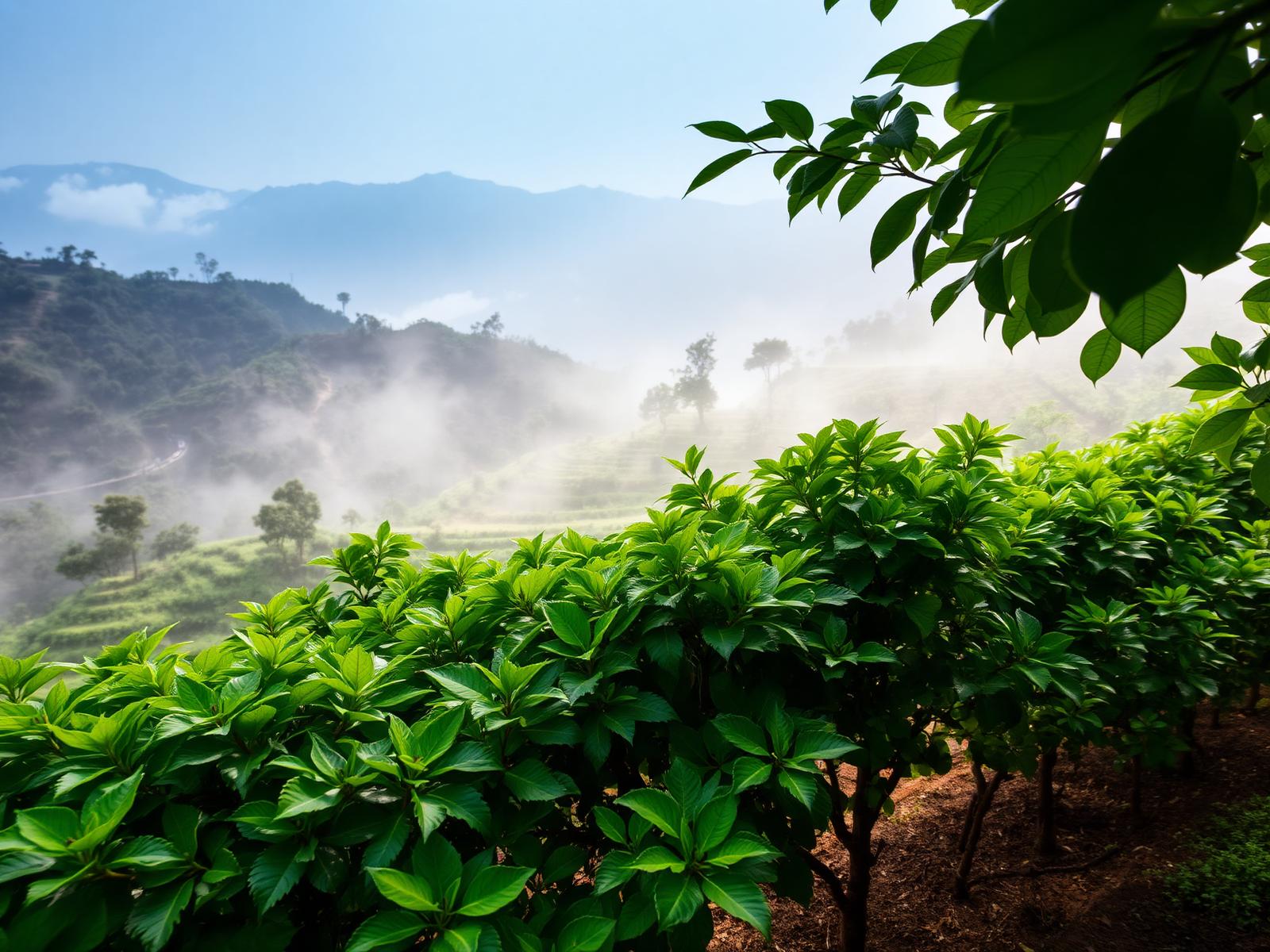
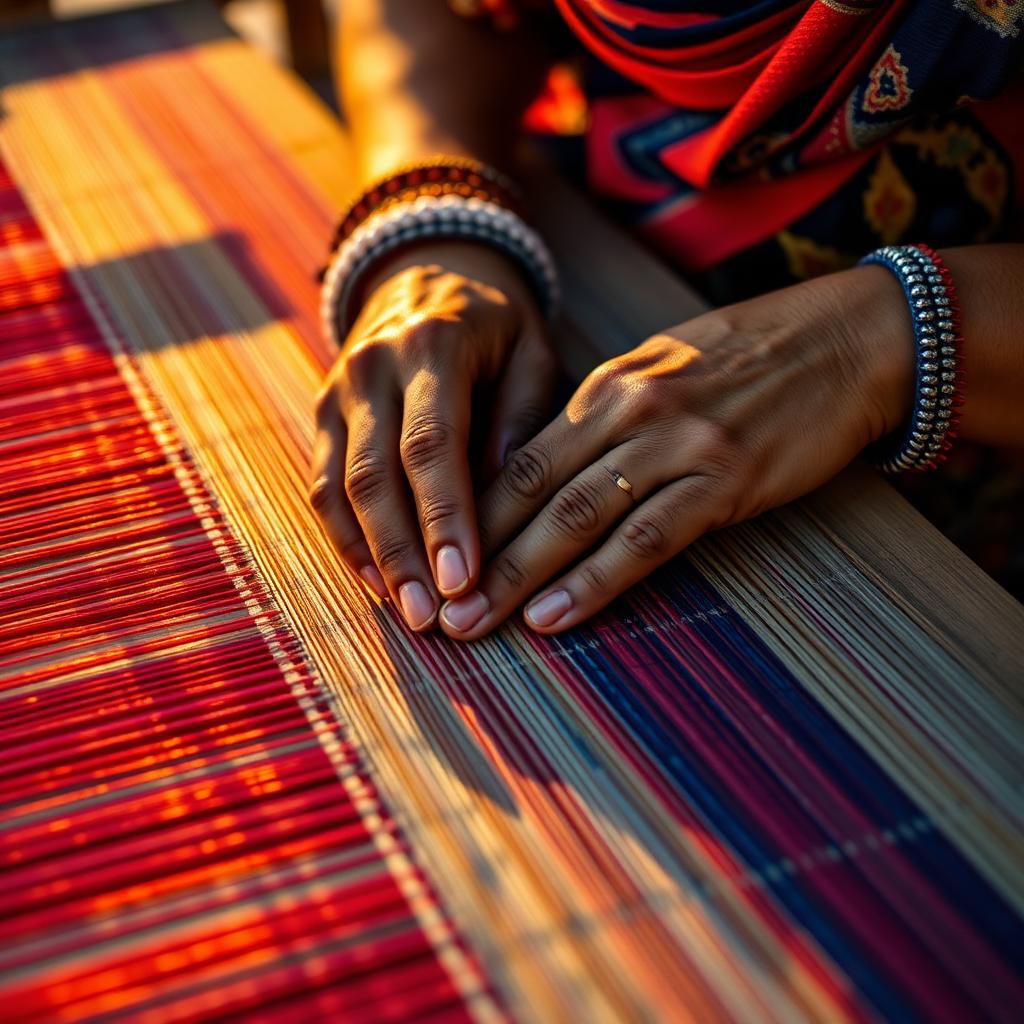
01
Organise
Producers into clusters
Farmers, weavers, dyers and herders are federated into charter-based clusters with real bylaws, real books and real bank accounts.
An ESG-committed national organization dedicated to the preservation of indigenous silk weaving, wool processing and natural color heritage across Nepal's diverse altitudes.
42+
Artisan Clusters
100%
Natural Fibers
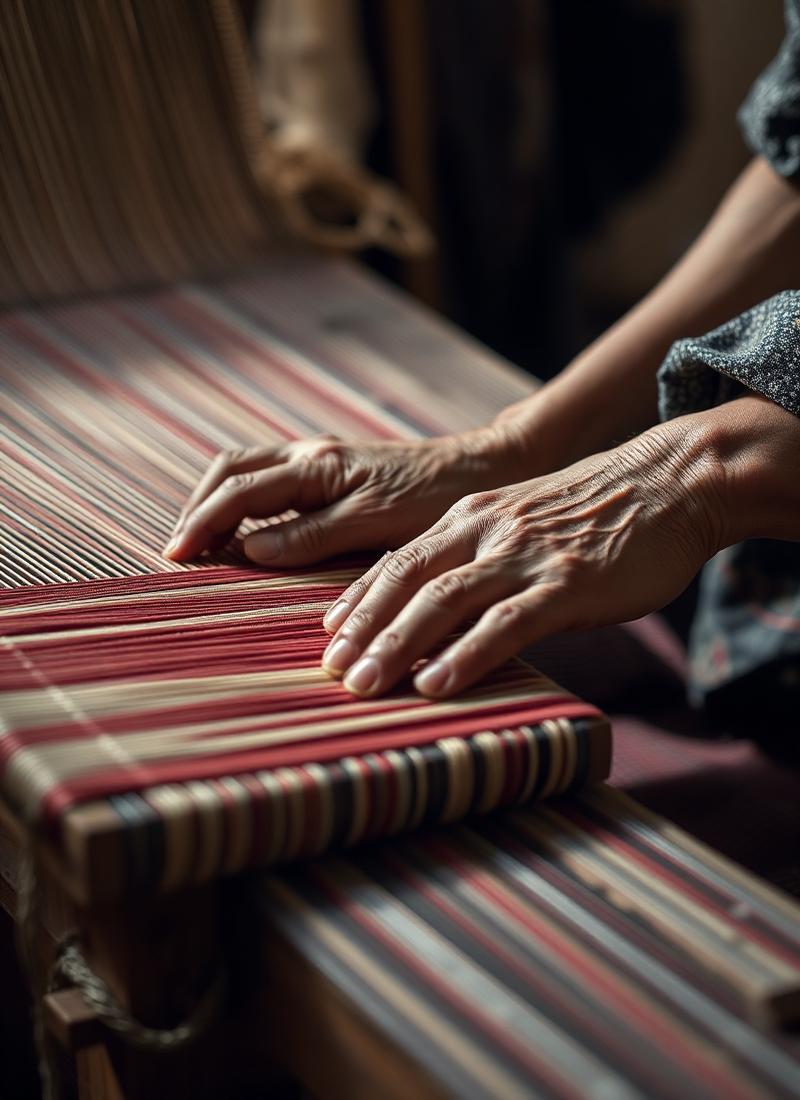
Terhathum, Eastern Hills
Handloom cotton & Dhaka
Master weavers' cooperative
Kathmandu Valley workshop
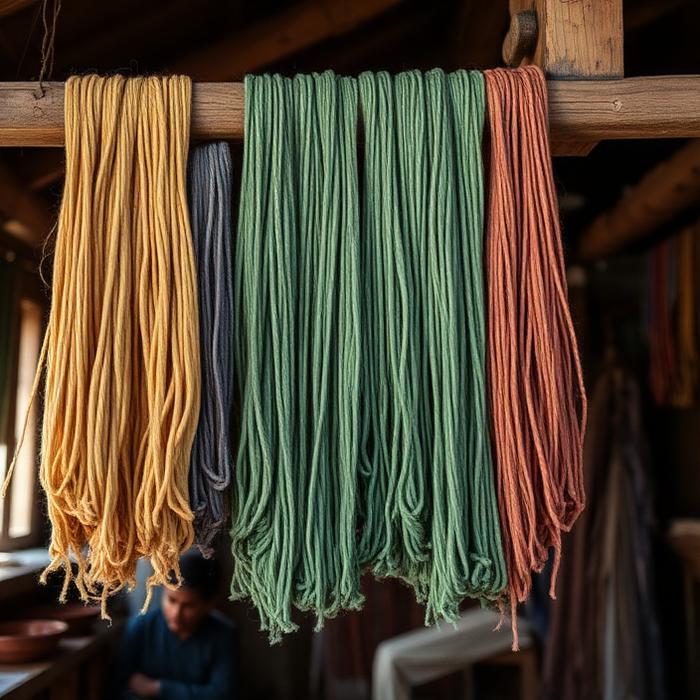
Hand-dyed wool skeins
Dye masters — women's collective

Sankhuwasabha foothills
Wild allo (Himalayan nettle)
Community fibre harvesters
Palpa (Tansen)
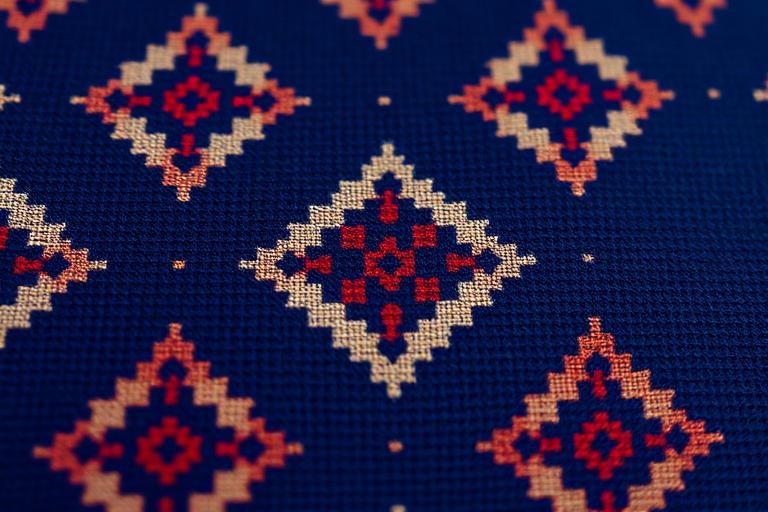
Traditional Dhaka fabric
Heritage Dhaka weavers
HFMN is a national non-profit organization committed to reviving, organizing and modernizing Nepal's handloom, silk, natural fiber, wool and natural colorant sectors.
We work at the intersection of farmers, weavers, artisans, cooperatives, women's groups, youth, designers, researchers and local governments — building sustainable textile value chains that create rural income, preserve heritage and build Nepal-origin brands with global standing.
HFMN's work spans the full spectrum of Nepalese textiles — reviving sectors that define the nation's craft identity and rural livelihoods.
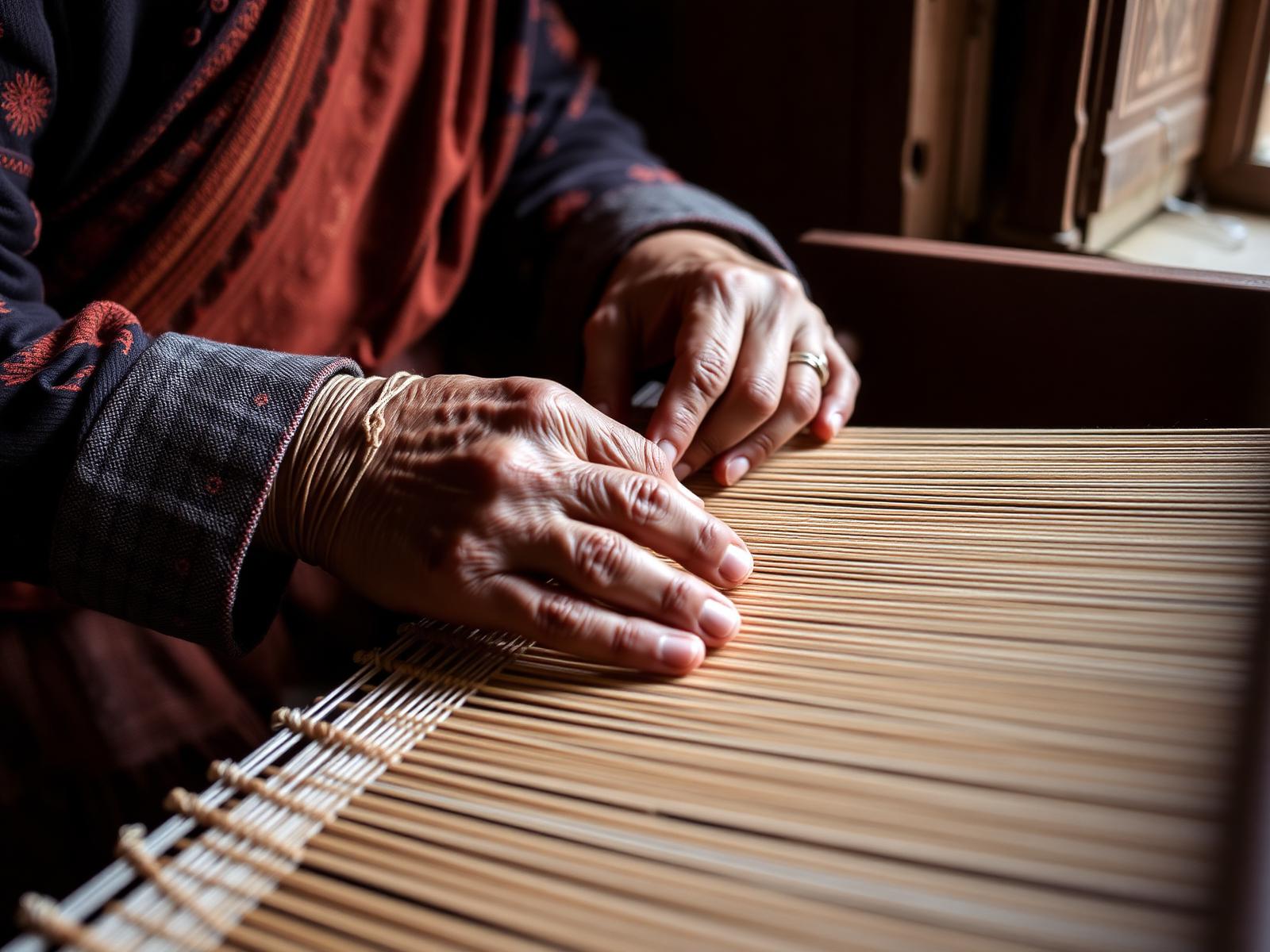
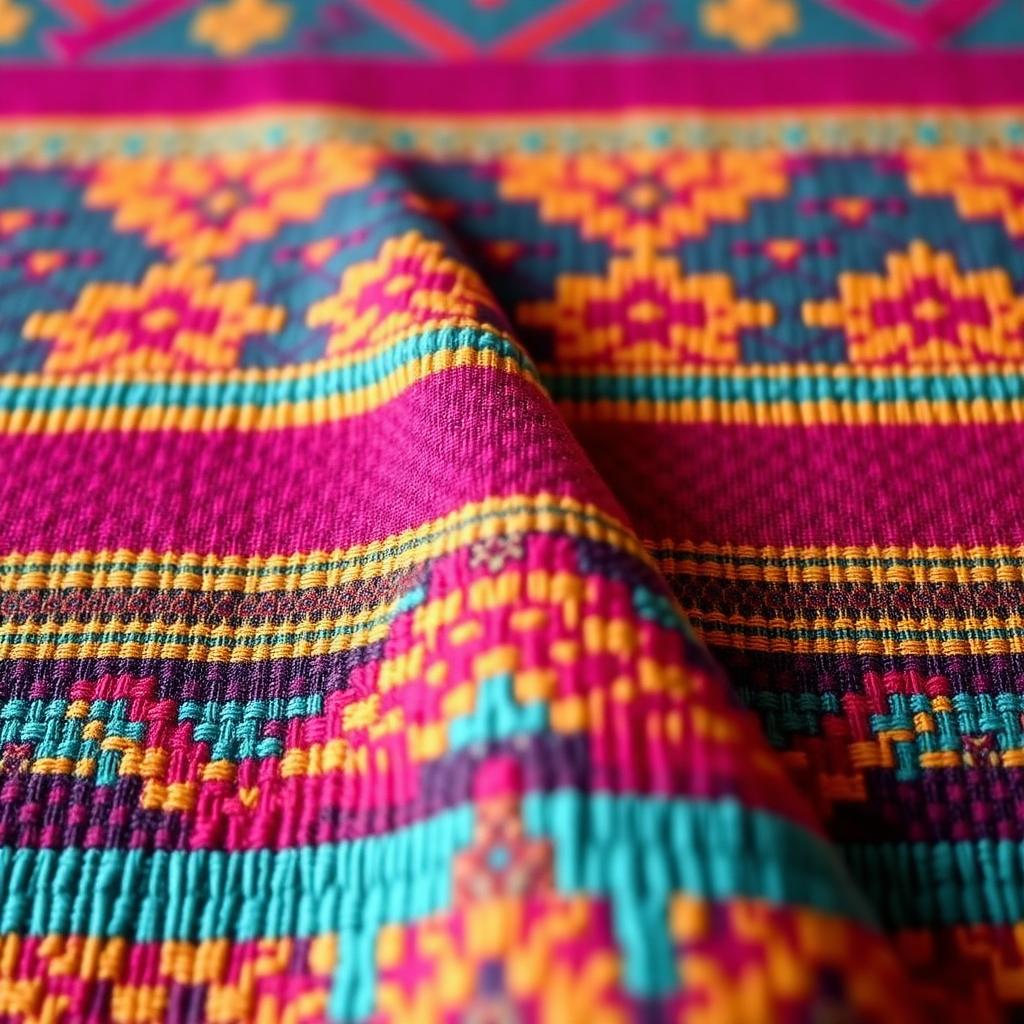
Reviving traditional looms, master weavers and cluster-based production across Nepal's terai, hills and high Himalaya.
Explore →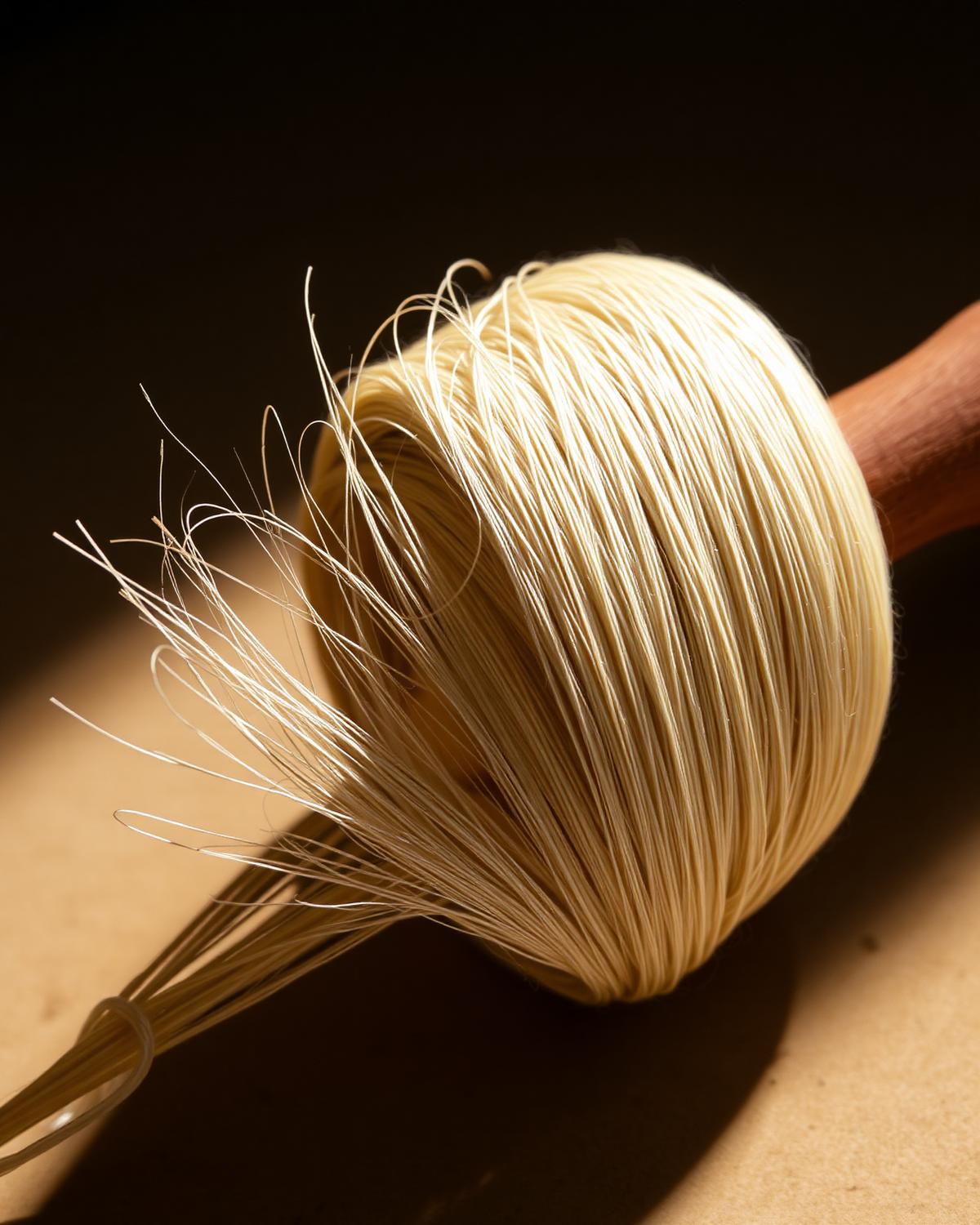
A flagship national programme — mulberry plantations, sericulture training, cocoon procurement, raw silk and handloom fabric.
Explore →
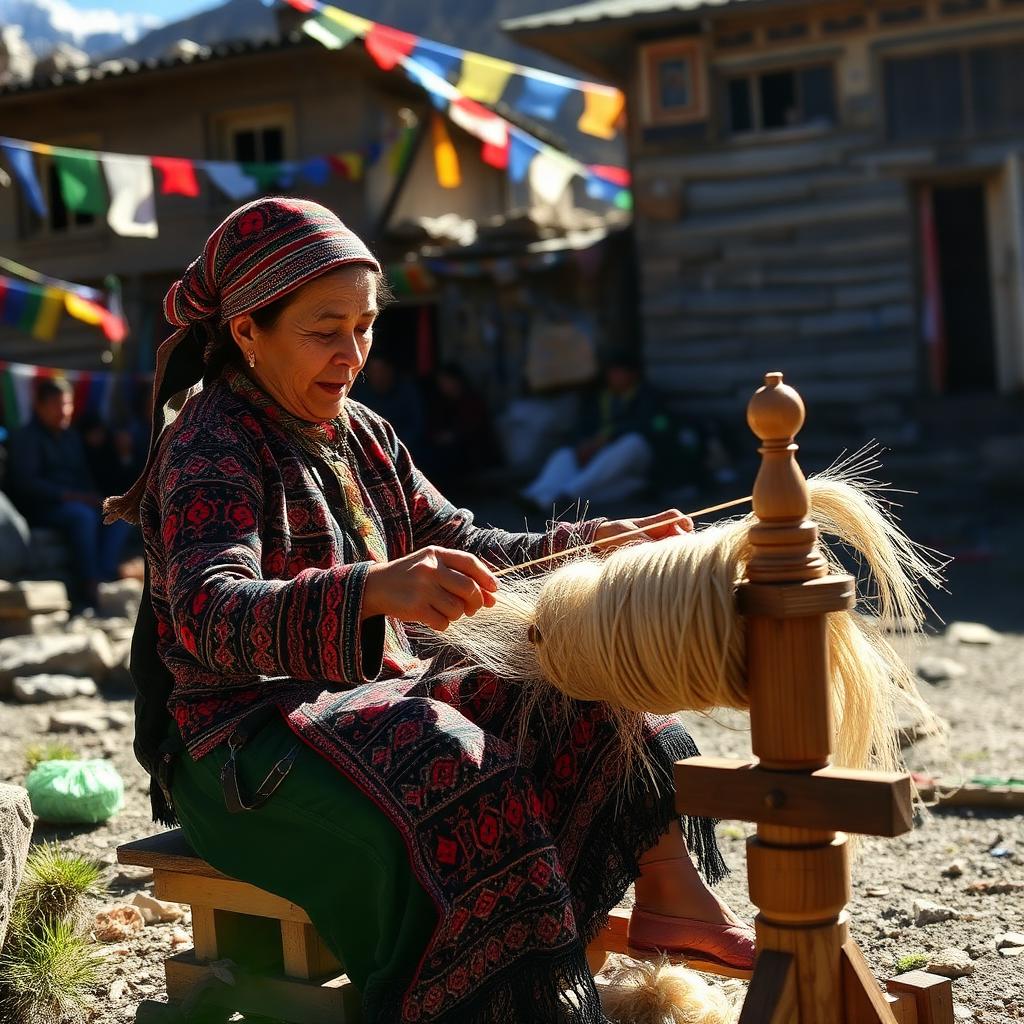
Connecting yak, sheep and goat wool herders with modern processing, blending and market channels — from pasture to yarn.
Explore →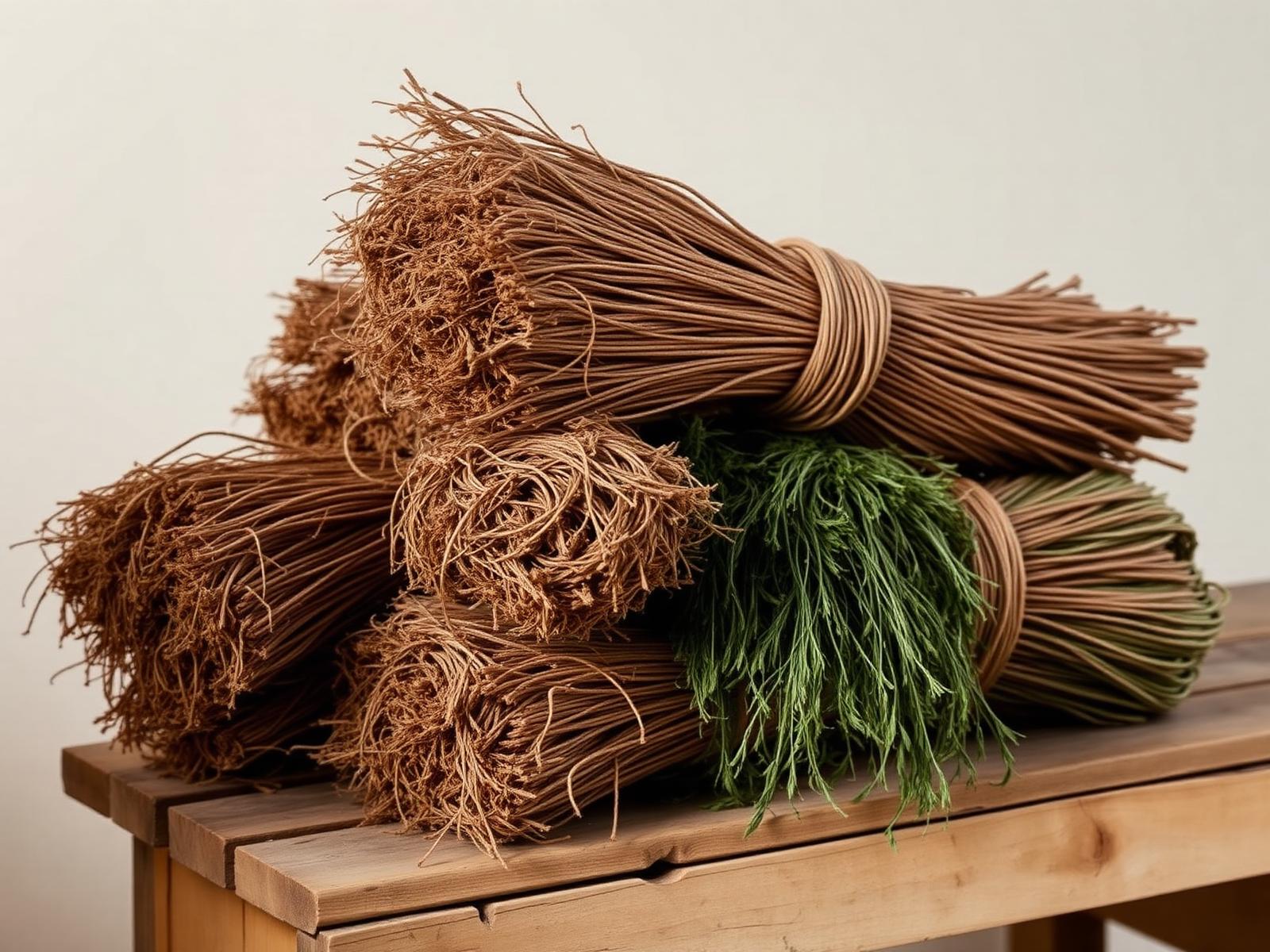
Nettle, hemp, cotton and other plant fibers — researched, standardized and linked into sustainable, Nepal-origin supply chains.
Explore →
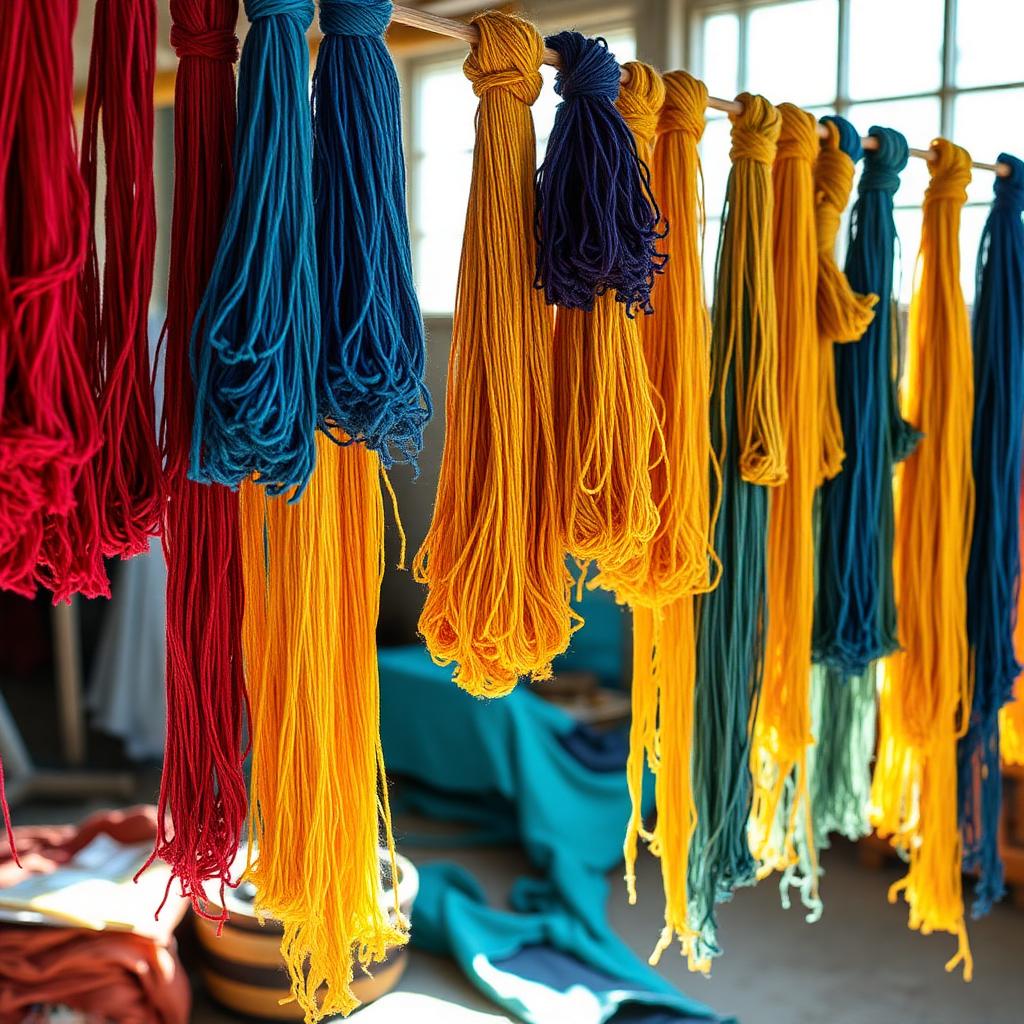
Botanical colorants from roots, leaves, bark and insects — preserving heritage recipes and low-impact dyeing practices.
Explore →Beyond production, HFMN builds the certification, research, standards, market and ESG infrastructure that turns craft into a competitive national industry.
The HFMN certification mark, producer registration and traceability protocols that guarantee Nepal-origin authenticity.
Learn more →Skill-based quality standards, charter norms and training pathways that turn heritage craft into reproducible excellence.
Learn more →Applied research into fibers, dyes, climate-smart processes and market intelligence that keeps Nepal's textile sector competitive.
Learn more →Market linkage, branding, investment readiness and export desks that connect Nepalese cooperatives with international buyers.
Learn more →Environmental stewardship, social inclusion, fair income and transparent governance across every value chain HFMN touches.
Learn more →Five moments from the field — farmers, weavers, dyers, designers and buyers — captured as HFMN moves a fibre from ground to finished cloth.

Natural fibers, mulberry plantation, wool, natural dyes, low-chemical production, biodiversity, water conservation and climate-smart rural industry.
Farmers, weavers, women, youth, artisans, cooperatives and rural communities — dignity, income and inclusive value chains.
Transparency, traceability, ethical sourcing, quality standards, producer documentation and institutional accountability.
HFMN has prioritized silk as a strategic national sector — connecting agriculture, handloom, rural employment, women's participation, green industry, eco-tourism and Nepal-origin branding.
From cocoon and fleece to the master's loom — HFMN's technical interventions span the entire textile value chain.
“From the ridges of the Himalaya to the loom in the courtyard — every thread of Nepal begins with the mountain.”
An interactive inventory of Nepal's textile ecosystem — silk clusters, handloom regions, wool districts, natural fibre sites, community clusters and HFMN training centres — all on one national map.
A national programme rooted in geography — silk, wool, fiber and dye all carry the altitude they came from.
Leads the sectoral, social, producer and ESG movement — mobilising farmers, weavers, cooperatives and researchers across Nepal.
Supports the commercial, branding, processing, investment and export side — connecting Nepal-origin products with global markets.
Our orb-and-peak seal is more than a logo. It is a guarantee that your fabric was spun, dyed and woven by registered Nepalese artisans — traceable from mulberry leaf and fleece to the finished garment.
View licensing framework →The next edition brings together government, cooperatives, banks and international partners around Nepal's silk revival.
Read more →HFMN teams are mapping land, cooperatives and processing infrastructure across pilot districts.
Read more →Handloom producers can register under HFMN's national quality and market framework.
Read more →Farmers, weavers, dyers and herders are federated into charter-based clusters with real bylaws, real books and real bank accounts.
The HFMN charter runs from mulberry to finished bolt — every batch carries a lot number that resolves back to a village.
Cluster output moves through UTCN retail, national showcases and export desks, keeping the weaver inside the value chain — not at its edge.
“We are not reviving handloom. We are rebuilding the industry around the people who never stopped weaving.