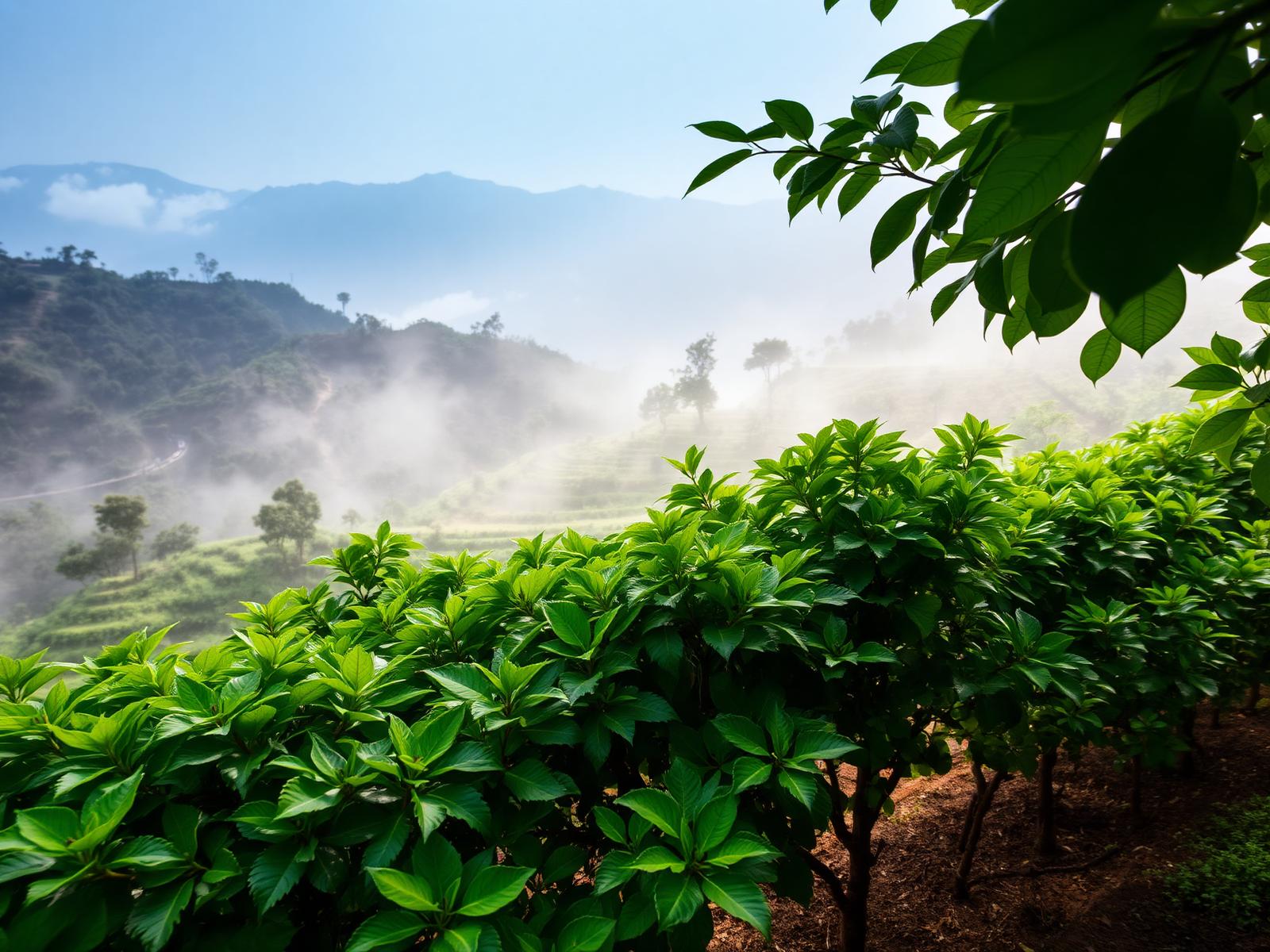
Environment
HFMN promotes:
- Mulberry plantation
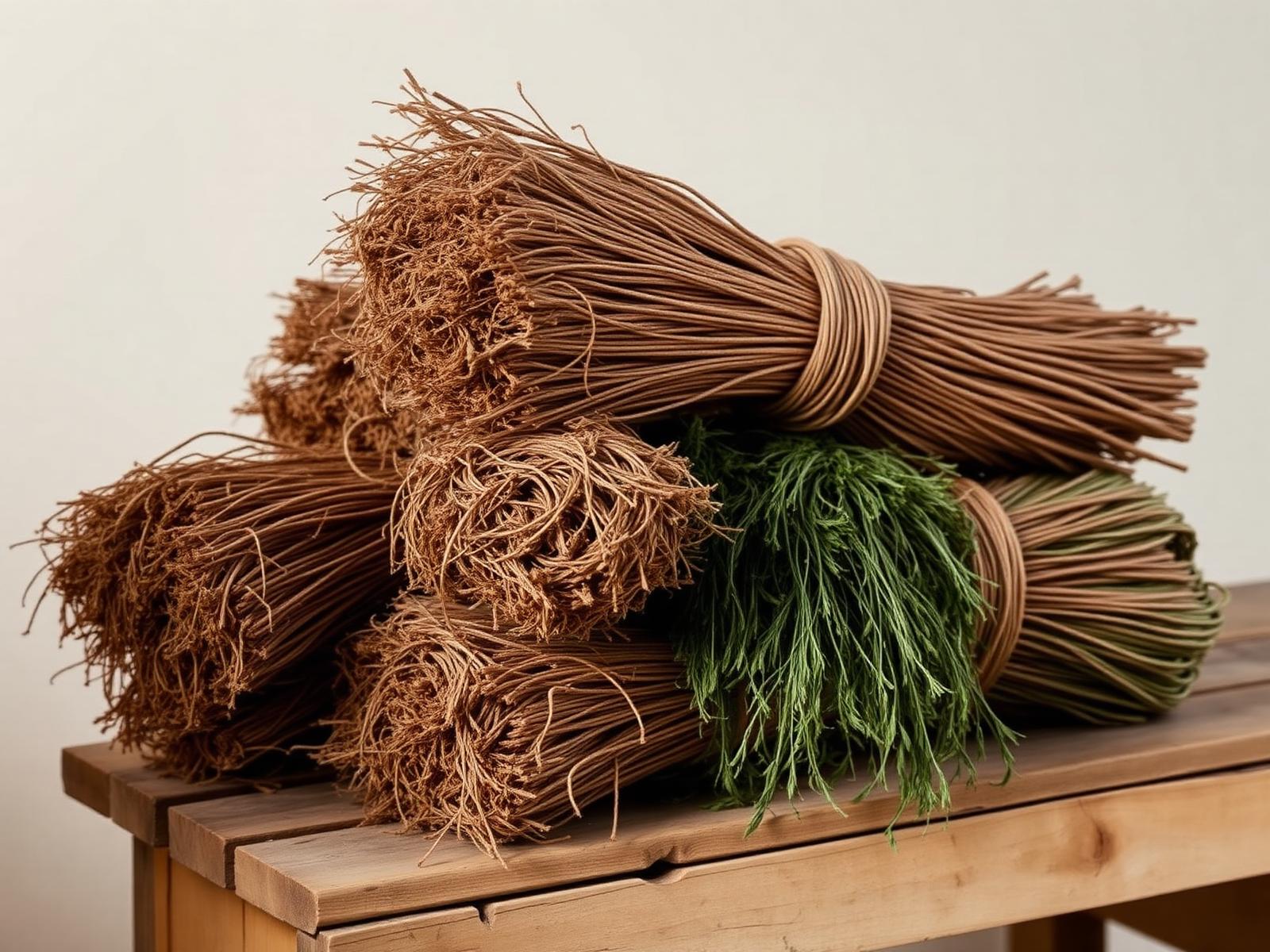
- Natural fiber cultivation and collection
- Wool-based sustainable textile products
- Natural colorants and plant-based dyes

HFMN believes Nepal's textile future must be environmentally responsible, socially inclusive and institutionally transparent. This charter guides every programme, cluster and partnership we enter.


ESG is not a marketing badge in HFMN's world. Environment means the mulberry, the dye plant, the water table. Social means the weaver, the herder, the cooperative accountant. Governance means the paperwork, the audit and the willingness to be checked.
The framework on this page is what we hold ourselves — and every partner cluster — accountable to.
A live snapshot of how the charter meets the ground — updated each reporting cycle.
Three pillars carried across every cluster, cooperative and product line.
HFMN promotes:
HFMN supports:
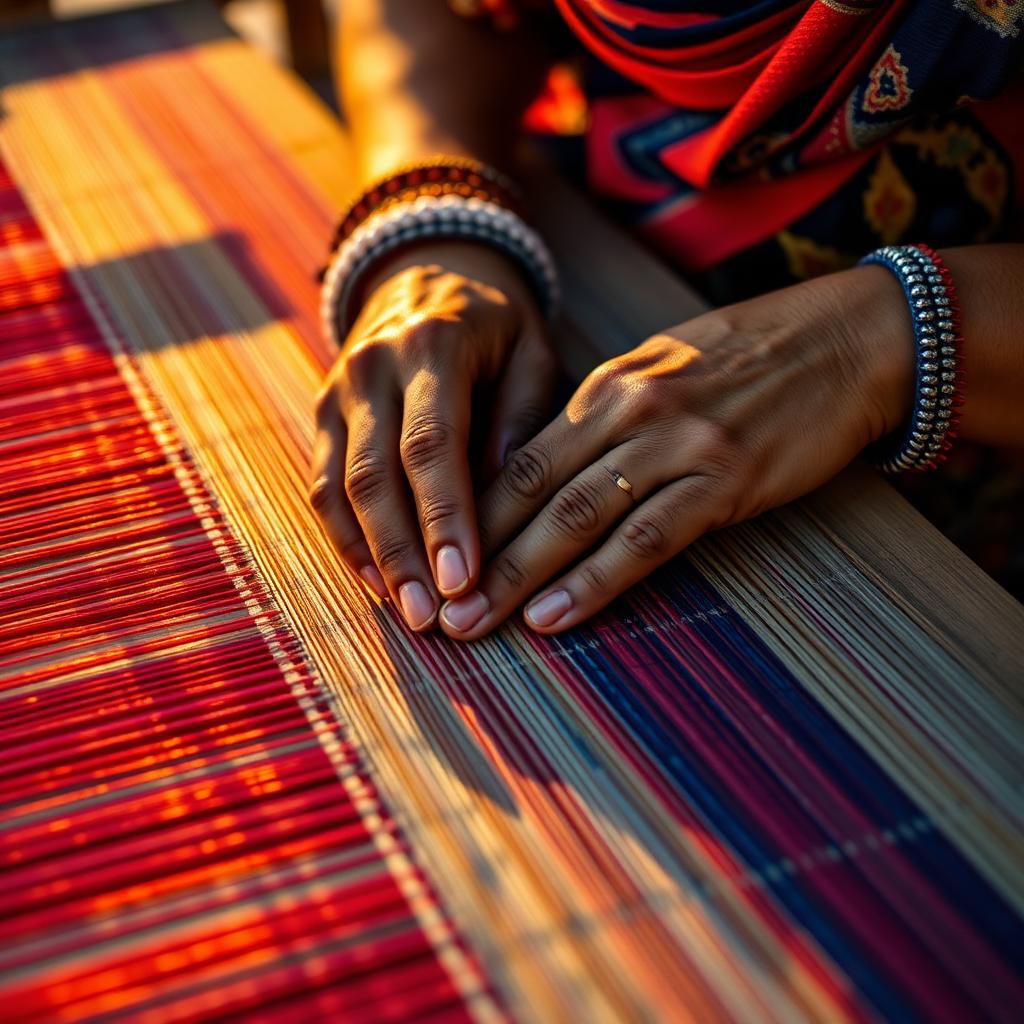
HFMN promotes:
Mulberry plantation. Natural fiber cultivation and collection. Wool-based sustainable textile products.
Natural colorants and plant-based dyes. Low-chemical production systems. Compost, organic manure and biofertilizer.
Biodiversity protection. Water conservation. Soil improvement. Agroforestry. Climate-smart rural industry. Carbon-readiness.
Farmer income generation. Women's participation. Youth employment. Artisan dignity.
Handloom skills preservation. Cooperative development. Rural industrialization. Skill training. Inclusive value chains. Fair production opportunities.
Transparent producer records. Traceable raw materials. Ethical sourcing.
Responsible use of grants and support. Quality standards. Producer documentation. Monitoring and reporting. Institutional accountability. Local government and public-private cooperation.
Three vignettes — one for each pillar — from the field.
Every dye-house tracks water use and effluent; every mulberry block records compost inputs. The environment column of ESG is a spreadsheet, not a slogan.
Minimum piece rates, women's participation targets and cooperative representation are written into every cluster MoU we sign.

From the fleece bag to the finished scarf, every HFMN-marked product carries a lot number that resolves to a village, a cooperative and a weaver.
The audit sits next to the loom. That is the difference.
Every marker resolves to a village, cooperative and named partner across Nepal's ESG-committed textile geography.
What HFMN's environment column looks like when it's turned into measurable movement across the landscape.
of active cooperative members are women.
young people trained across regional academies.
average uplift for silk & fibre farmer households.
structured programmes across weaving, dyeing, reeling.
cooperatives strengthened with governance support.
of MoUs include minimum piece rates & credit terms.
Each node is a checkpoint. Together they form the governance thread that a batch, a grant or a cooperative can be traced along at any moment.
How Kushadevi's mulberry rows became a shared audit book.

A high-altitude wool cluster carries its first traceable batch to Kathmandu.
Effluent water re-enters the vat — the environment column becomes measurable.
Whether you're a cooperative, a buyer, a researcher or a public partner, the charter is open. Come sit next to the loom.