01
Households
Income baselines
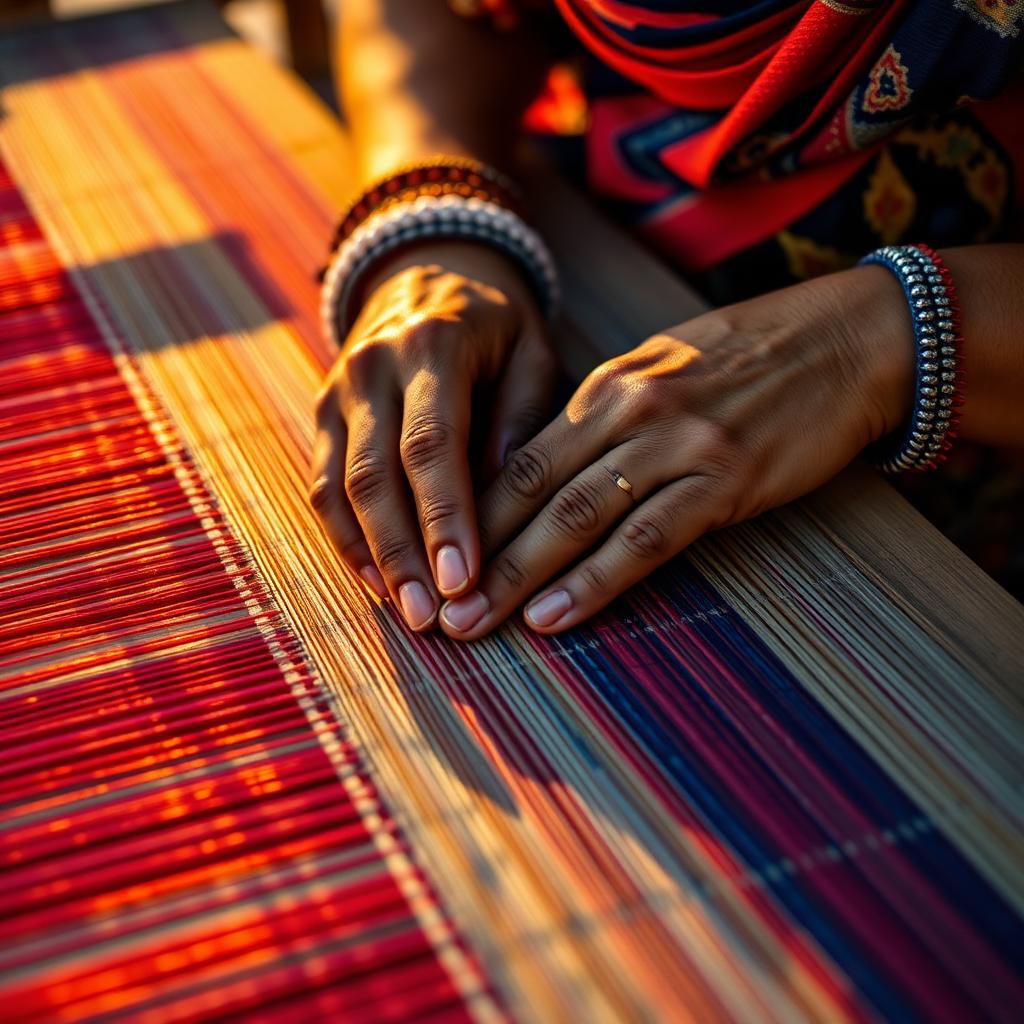
We record household income at cluster onboarding and again each year — so the impact number is a delta, not a marketing figure.

HFMN reports environmental, social and governance impact across clusters, cooperatives and product lines — building a transparent baseline for Nepal's textile future.
The impact figures on this page correspond to specific villages, specific cooperatives and specific ropani of land. We publish them because the sector deserves an honest ledger, and because a national programme is only as credible as the numbers behind it.
Environment, society and governance — a transparent baseline for Nepal's textile future.
We record household income at cluster onboarding and again each year — so the impact number is a delta, not a marketing figure.
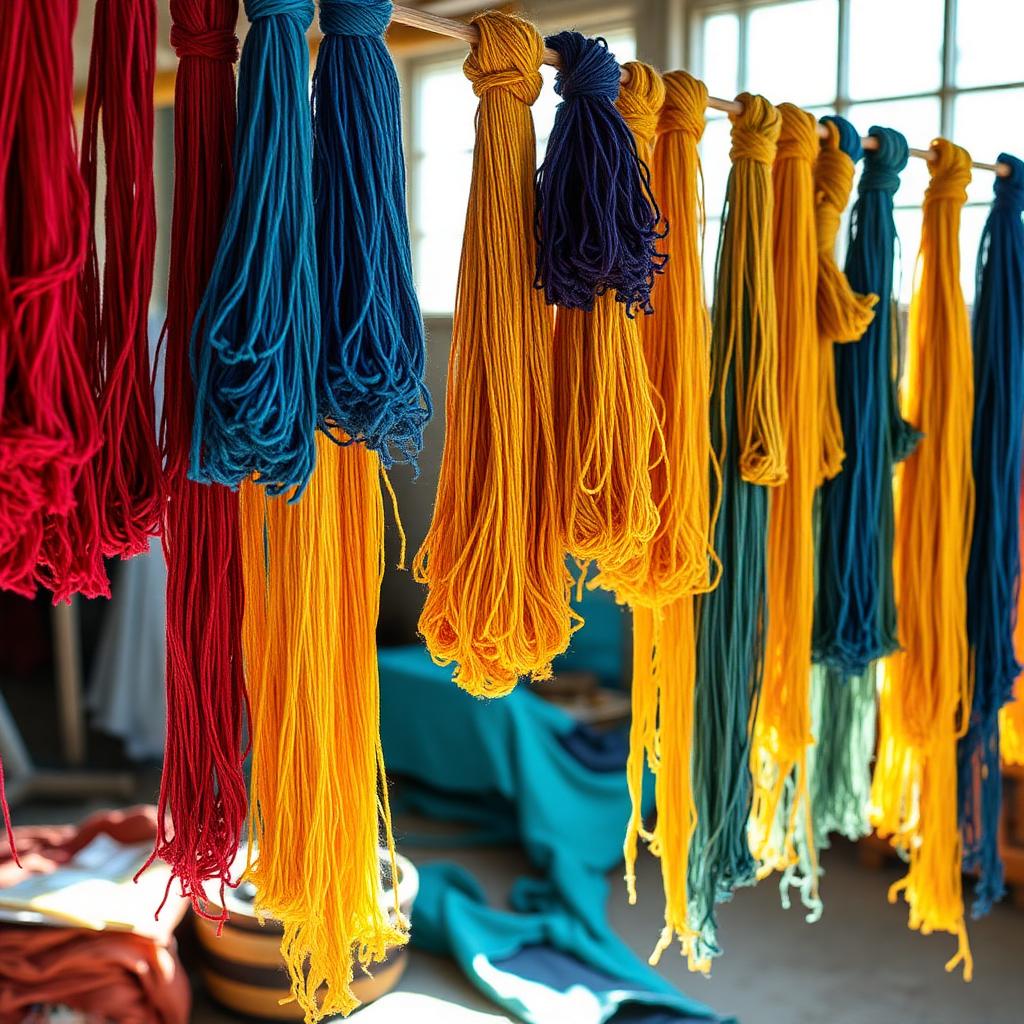
Mulberry, dye-plant and fibre-crop area is tracked ropani by ropani, with soil and water indicators reported alongside.
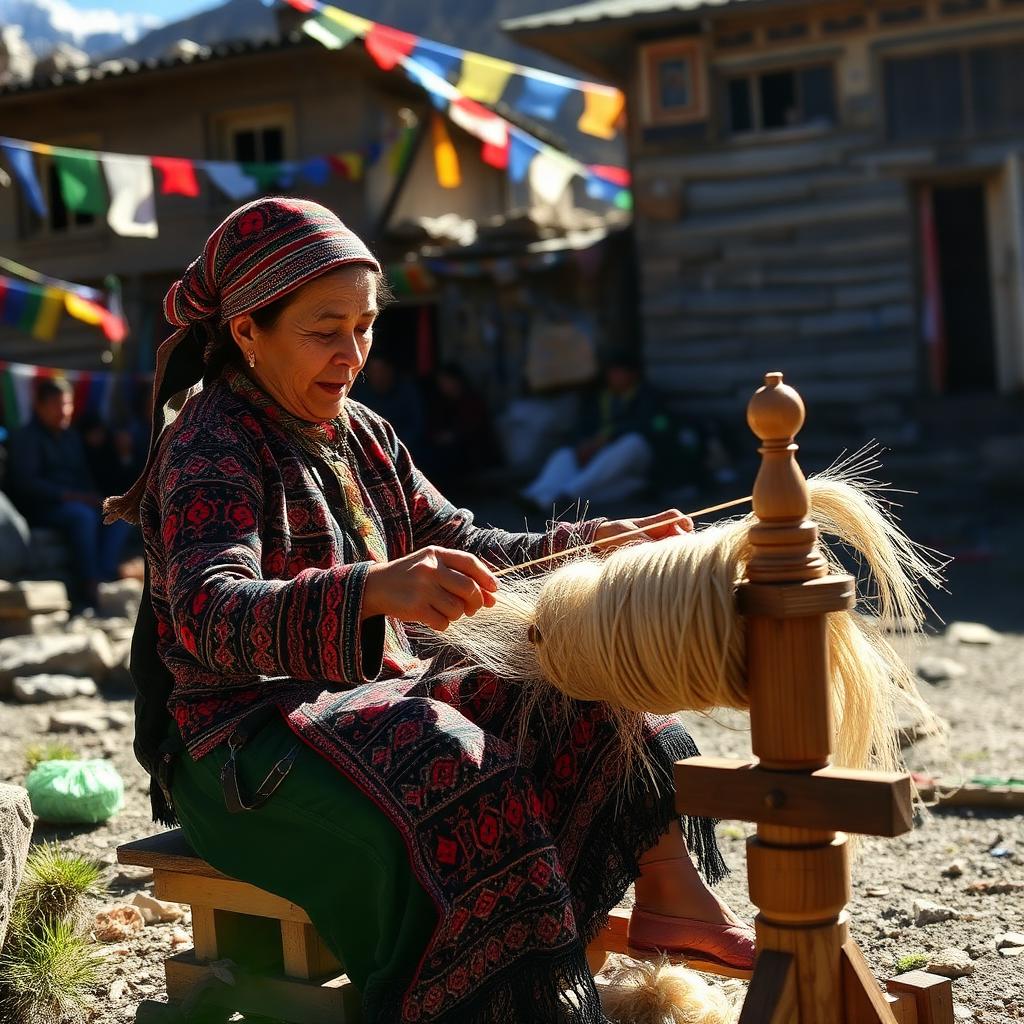
Registered cooperatives, trained accountants and audited books are counted the same way — publicly, per cluster.
“If we cannot show the change, we have not made it.