
01
Government
Local + national
Local governments provide land and matching capex; national ministries fold HFMN clusters into sector plans and public reporting.

HFMN works with governments, cooperatives, universities, development partners and international collaborators to build a shared textile future for Nepal.
HFMN would not exist without its partners — cooperative federations, universities, banks, insurance providers, development partners and the government offices that keep rural infrastructure alive. The page below is our public acknowledgement of that ecosystem.
Local governments provide land and matching capex; national ministries fold HFMN clusters into sector plans and public reporting.

Universities and research stations run the trials, the fibre testing and the students who become the next generation of cluster staff.
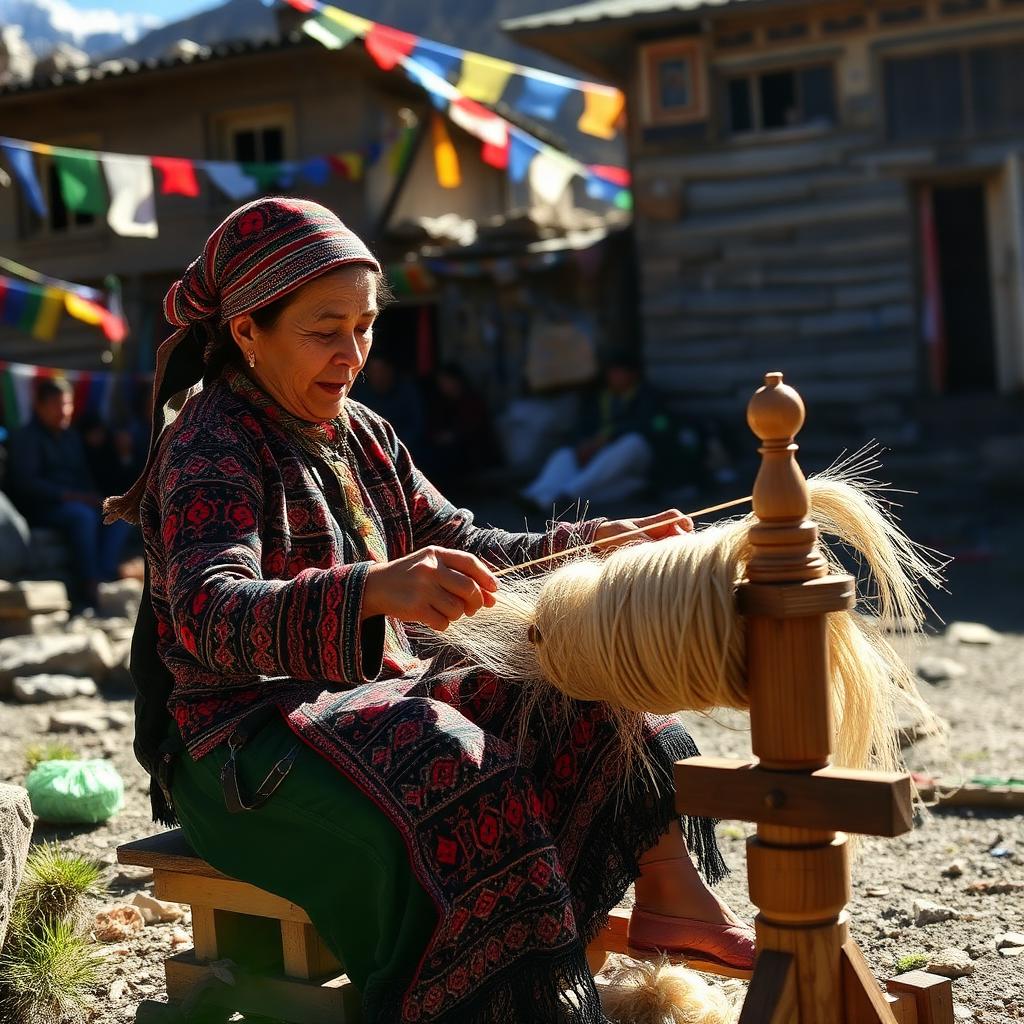
Retail and export buyers sign forward offtake on HFMN-marked product — turning a producer plan into a real market.
“A partner is someone who signs the same standard we do.