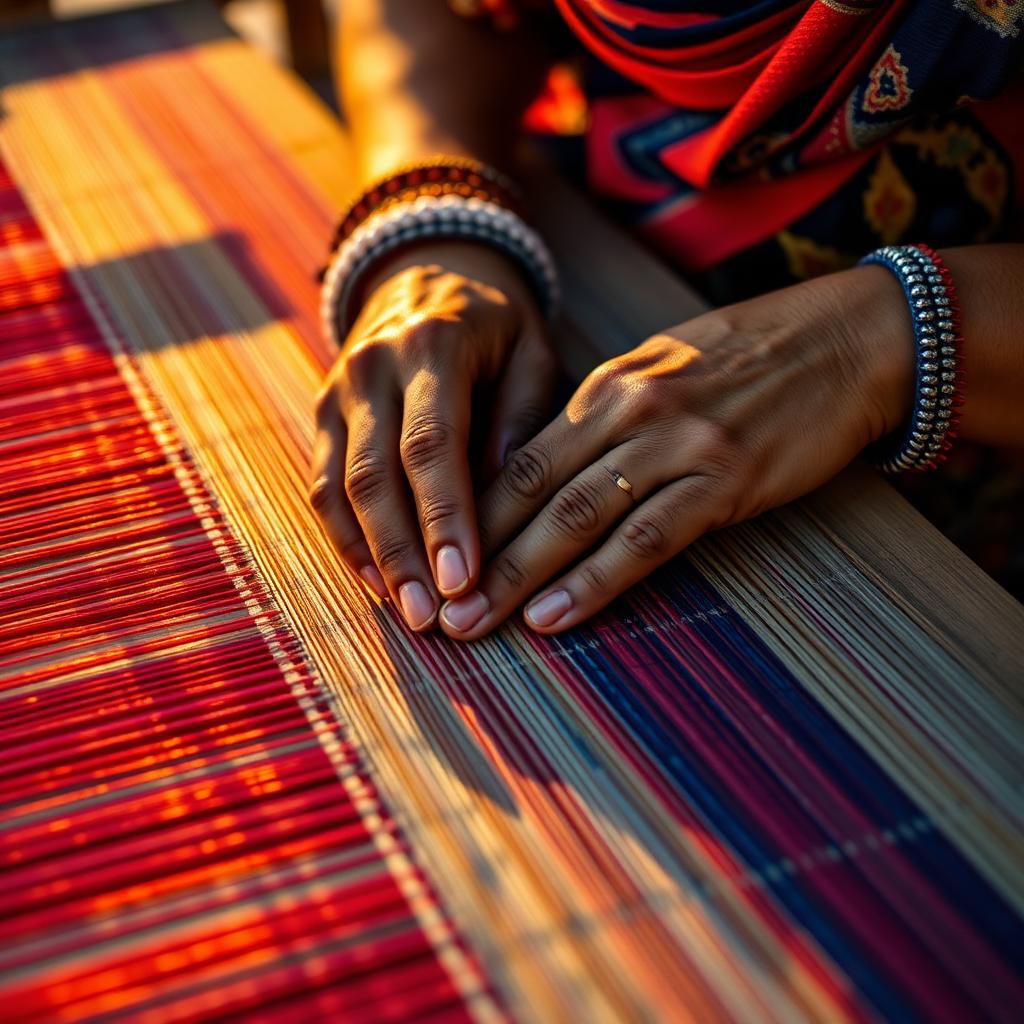
01
HFMN side
Producers & standards
HFMN handles cluster charters, ESG compliance, training and cooperative development — everything upstream of the finished bolt.

HFMN and UTCN together form Nepal's textile ecosystem. HFMN organizes producers, farms, weavers, technology and standards. UTCN provides branding, marketing, retail platforms and market access.


HFMN carries the producer, cooperative and ESG mandate. UTCN carries the commercial, branding, processing and export mandate. Together they cover the full arc — from the farmer's field to the buyer's shelf — without either side crowding the other.
At each stop something is stamped onto the batch: origin, weaver group, ESG batch, lot number, story, delivery. The same record travels all the way from HFMN's field to UTCN's shelf.
Fibre picked at source. Growing zone is written into the lot.
The list HFMN organises upstream is the same list UTCN carries to buyers — no rebranding, no renaming.


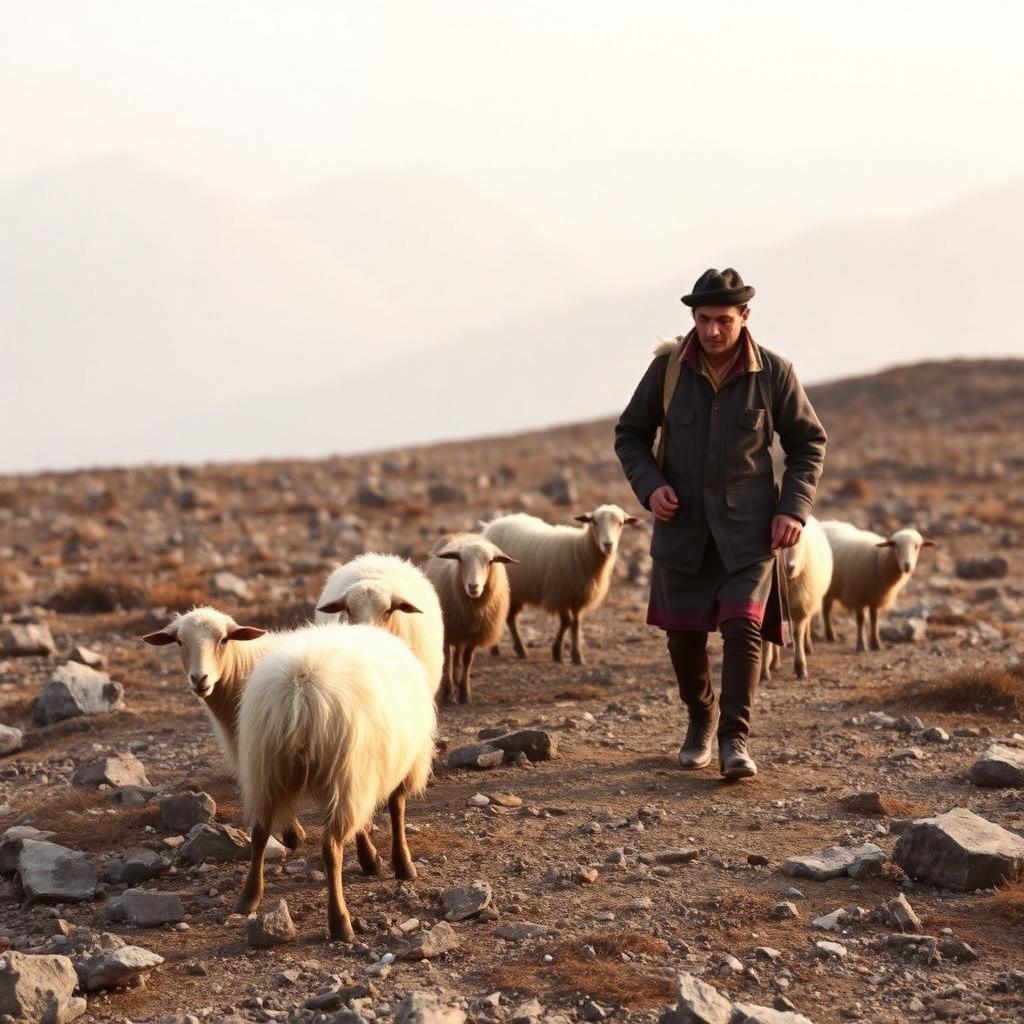

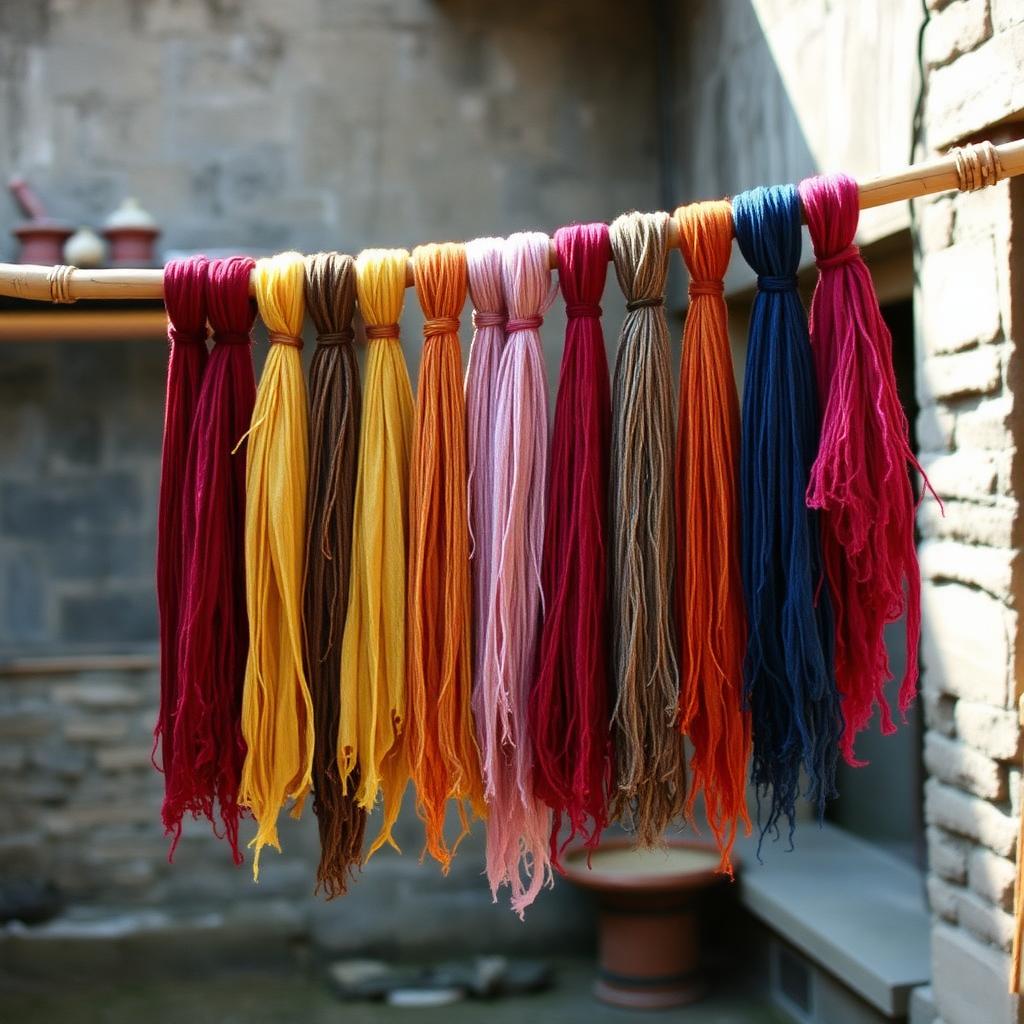
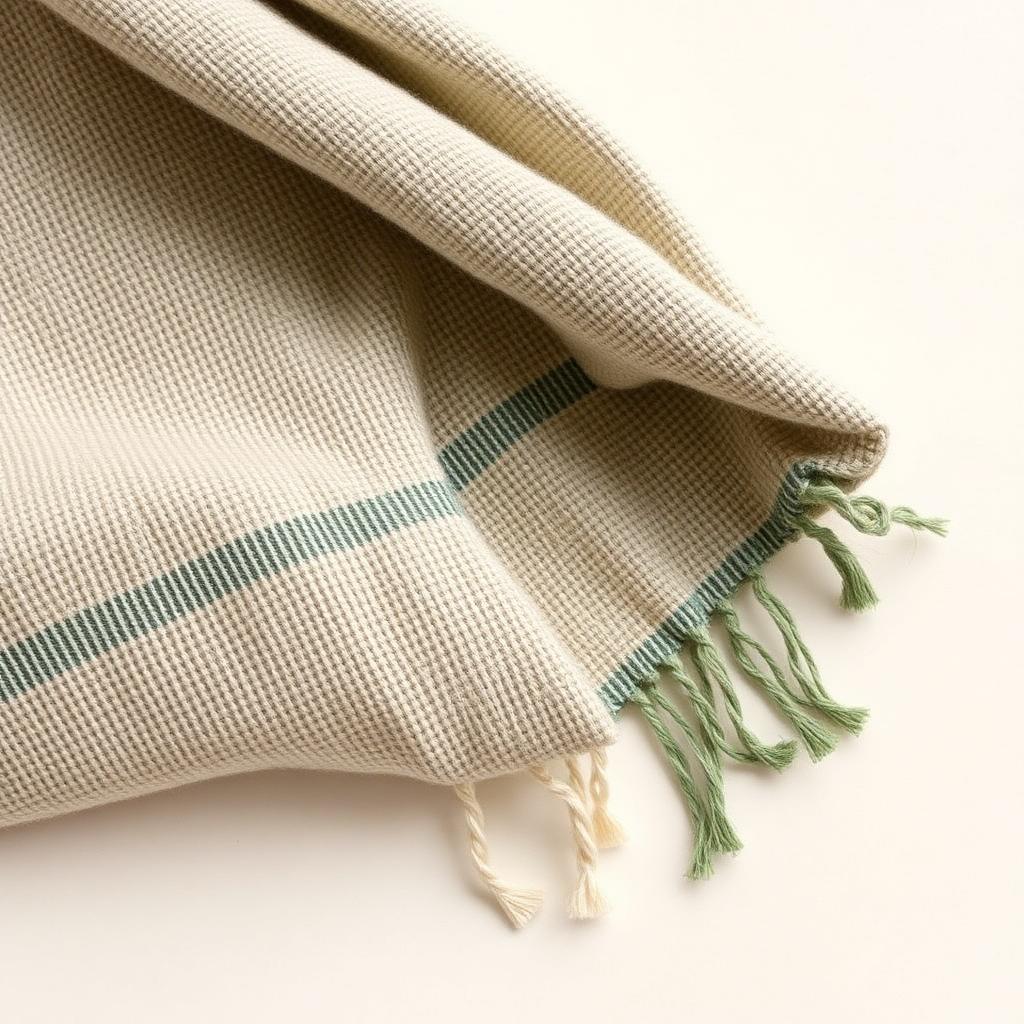
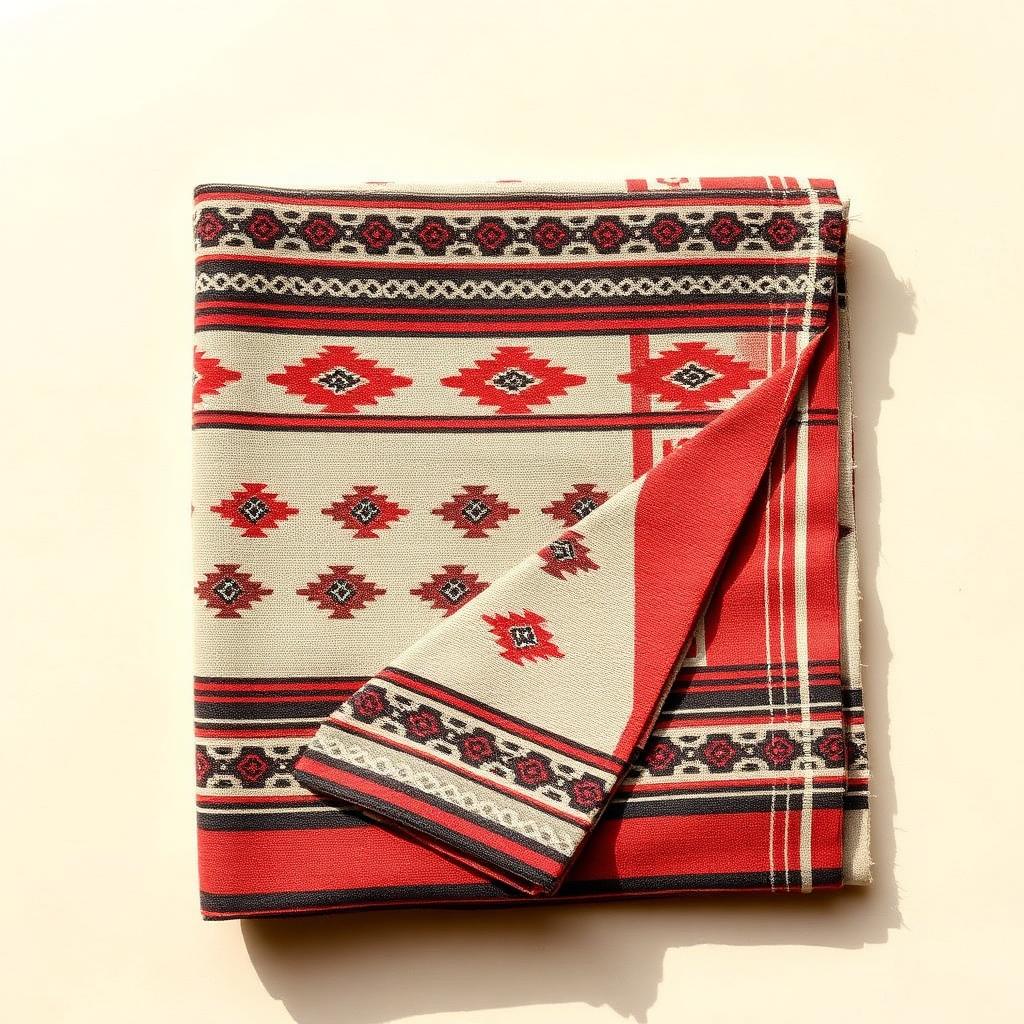

HFMN handles cluster charters, ESG compliance, training and cooperative development — everything upstream of the finished bolt.
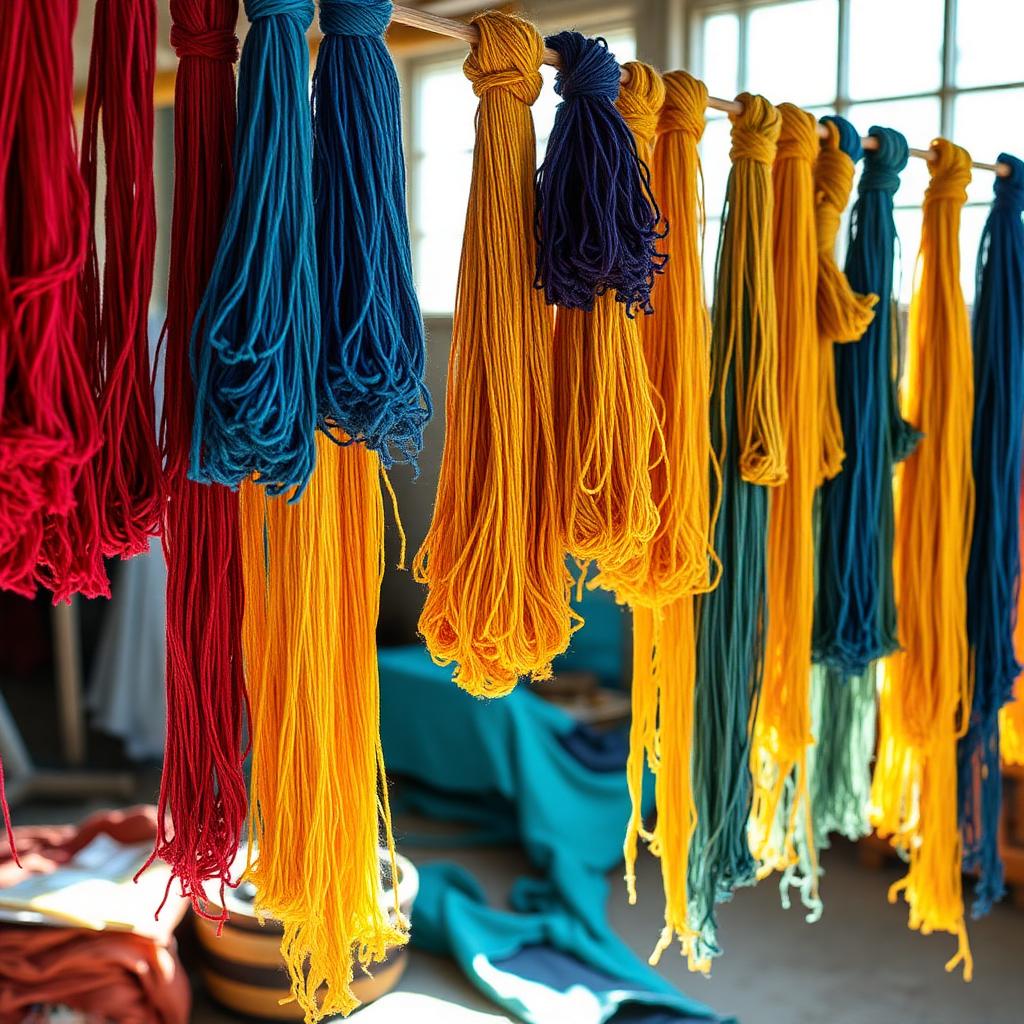
Finished, HFMN-marked product moves to UTCN with a lot record — provenance, ESG batch, weaver group — attached at handover.
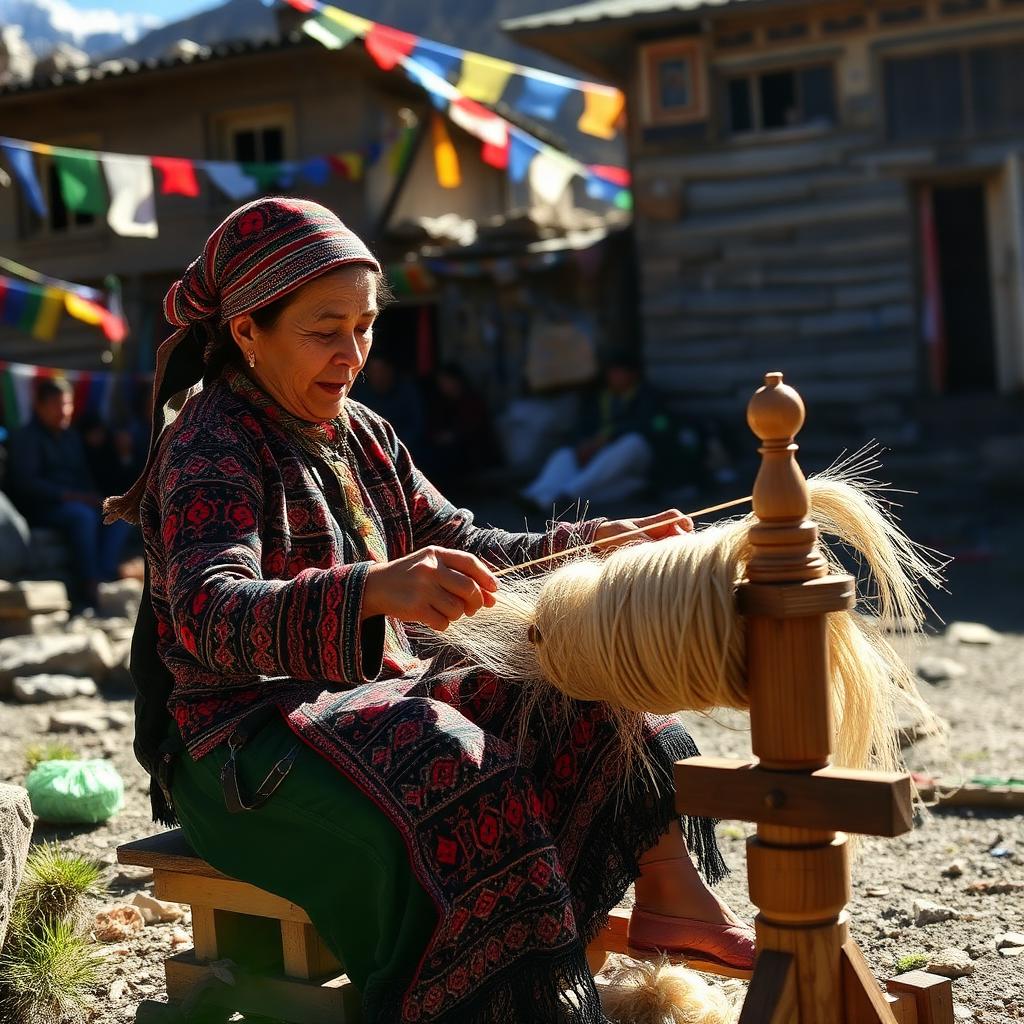
UTCN carries the product into retail, digital storefronts and export channels — with the same lot number visible to the buyer.
“One takes the field. One takes the shelf. Between them, nothing is lost.