01
On the hillside
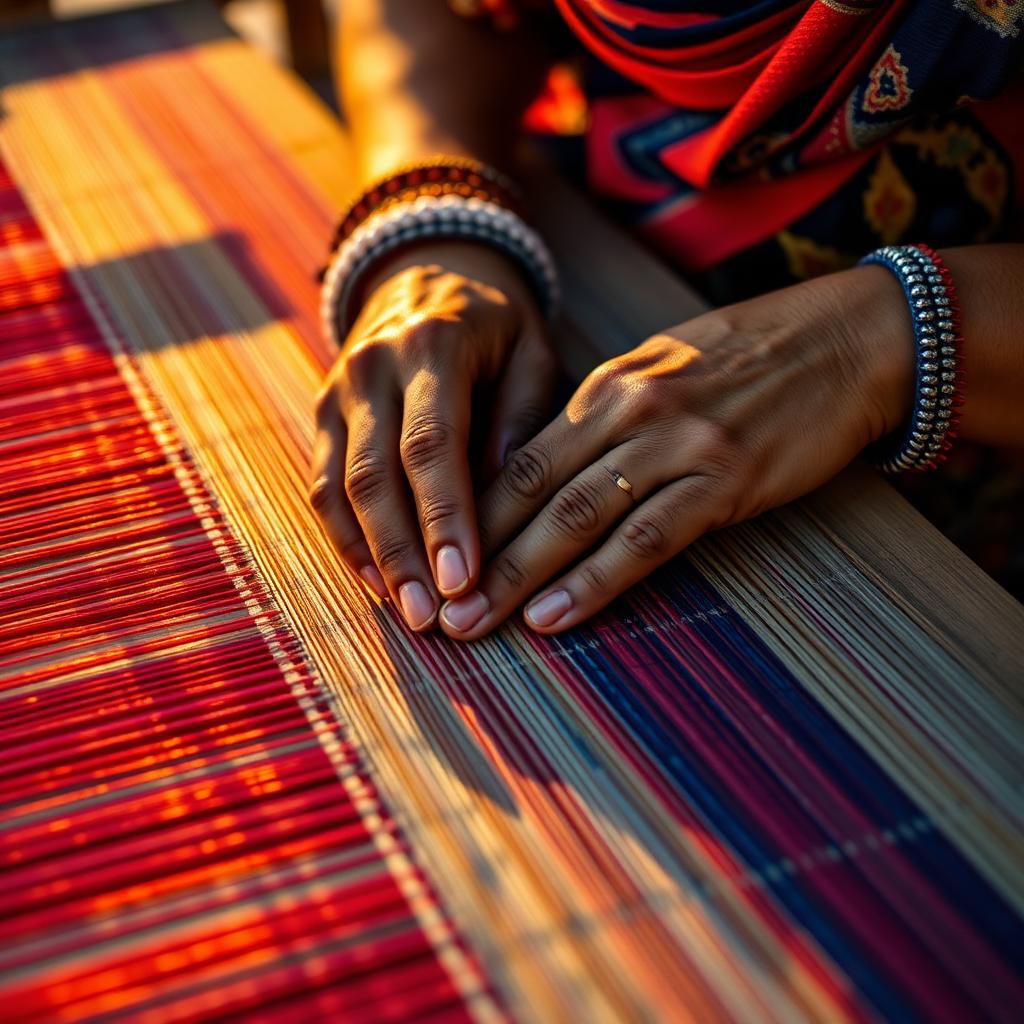
Producer mobilization
We walk cooperatives through registration, ESG onboarding and cluster charters — turning scattered producers into a single, accountable federation.
Handloom Fabrics Makers of Nepal is an ESG-committed national organization stitching farmers, weavers, researchers and markets into one accountable textile ecosystem — from mulberry hillside to export desk.
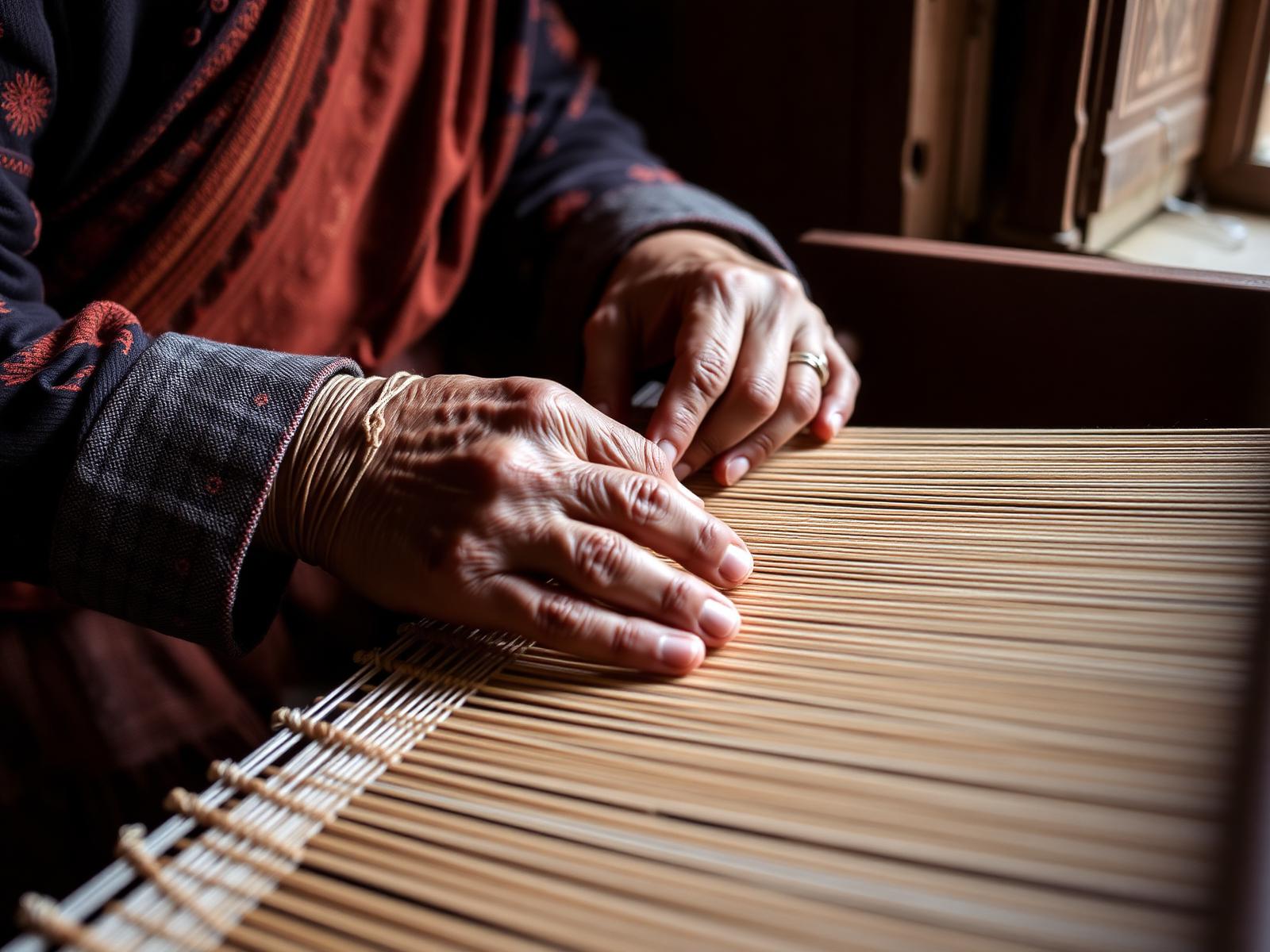
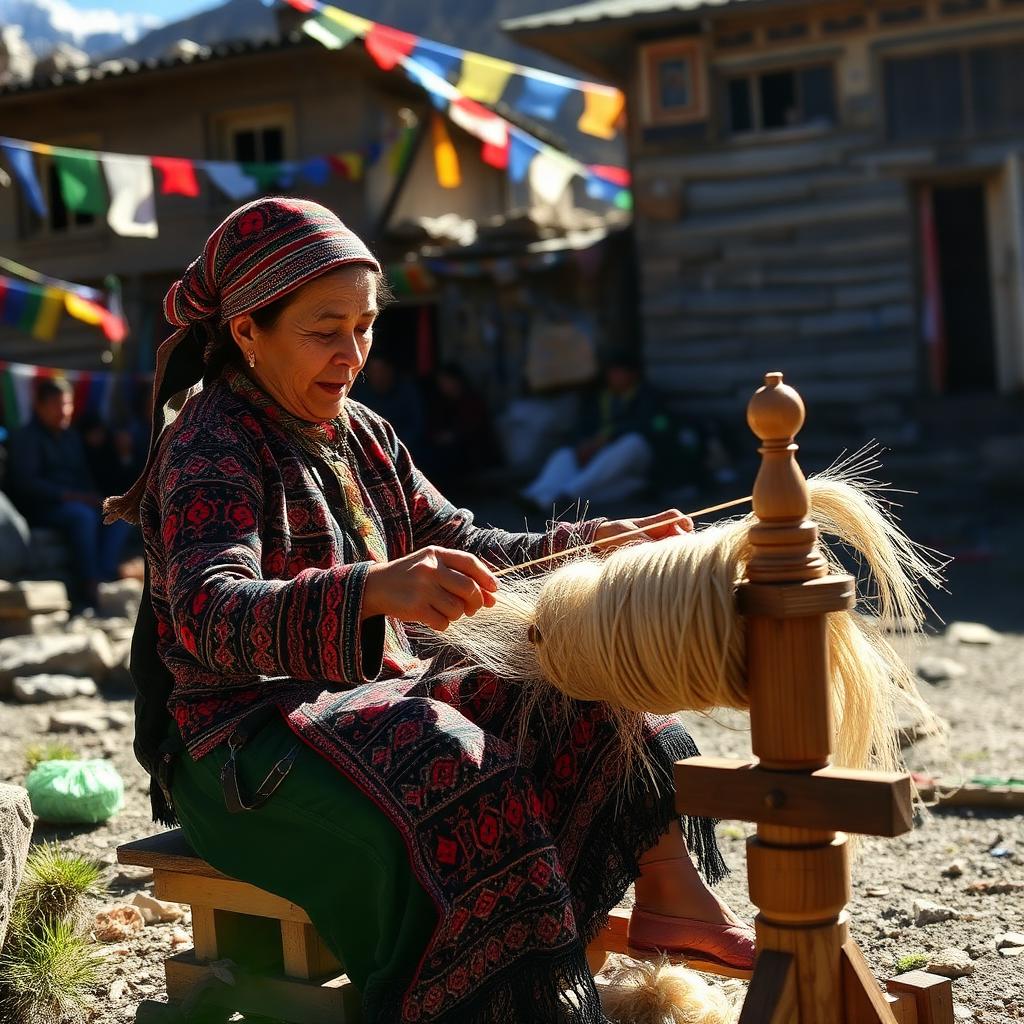
Use the arrows, drag, or your ← → keys to travel through the stitches.
A globally recognized origin for handloom, silk, natural fibre, wool and naturally coloured products — powered by ESG-based rural industrialisation.
Farmers, weavers, artisans, cooperatives, women, youth, experts, designers, local governments and market actors — organised into sustainable value chains that create income, preserve heritage and build Nepal-origin brands.
Our values aren't a bullet list — they're the warp and weft that every cluster, cooperative and project is measured against.
Every HFMN programme has a farmer, a weaver, a designer or a researcher with skin in the game — not a beneficiary, a member.

Mulberry, allo, hemp, cotton and indigo growers anchoring the raw-material base.
Handloom and pit-loom artisans holding the technical memory of the craft.
Yarn count discipline and natural-colour laboratories.

Contemporary product development, sampling and collection direction.
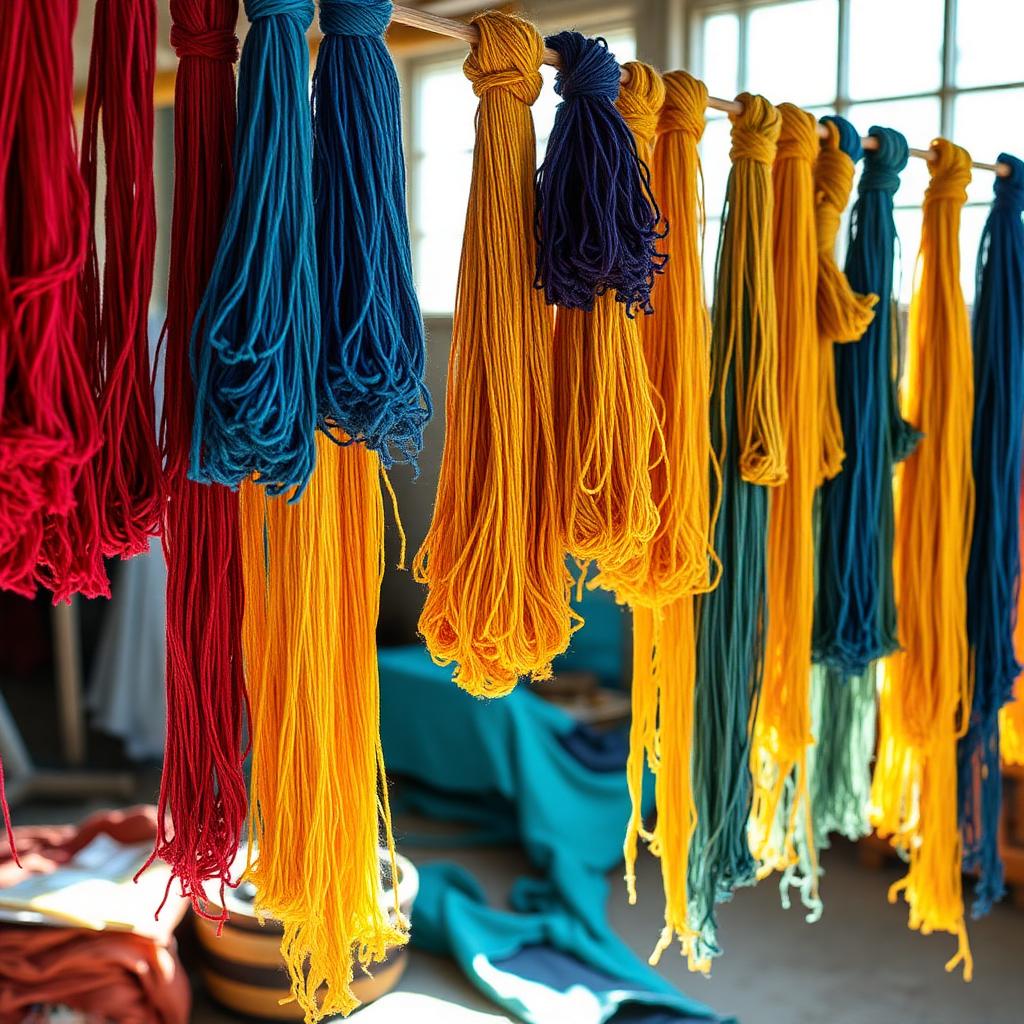
Fibre science, standards, provenance and material heritage.

Governance, aggregation and the legal spine of every cluster.
HFMN carries a national mandate across all seven provinces — coordinating handloom, silk, wool, natural fibre and natural colorant sectors under one ESG-based framework.
HFMN is governed as a network of interconnected knots — each with its own authority, each tied into the same national weave.
We walk cooperatives through registration, ESG onboarding and cluster charters — turning scattered producers into a single, accountable federation.
Loom setup, count discipline, yarn testing and finishing — the small, boring things that decide whether a fabric ships or gets rejected.
We connect cluster output to UTCN retail, national trade shows and export desks so the price the weaver sees reflects the price the buyer pays.
“HFMN did not hand us a subsidy. They handed us a standard, a market and someone to call when the loom broke.